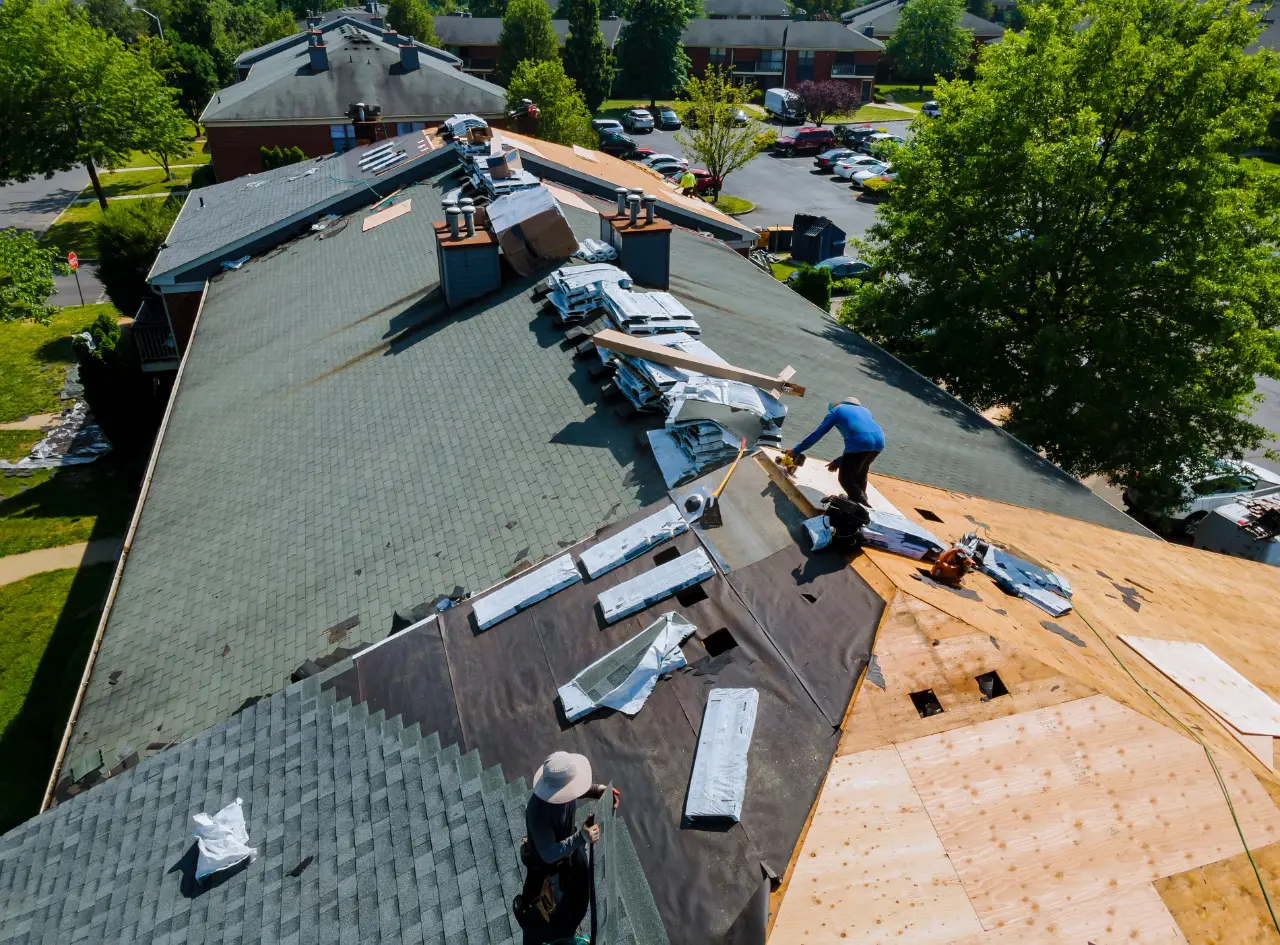
This is the question homeowners ask most. It's also the one where you get a straight answer from one contractor and a sales pitch from the next.
The honest version is that it depends on four things. How old the roof is. How much of it is failing. What condition the decking is in, and how many times it's been patched. None of those require a hard sell. They're observable, and a decent estimate should walk you through each one.
What makes this hard is that a repair and a replacement can both be defensible on the same roof. A twelve year old roof with one bad valley can be repaired. That same roof is a different conversation, if half the flashing is shot and the decking is soft.
So rather than give you a rule, this guide gives you the four checks that settle it. They're in the order a roofer runs them.
Start With the Age of the Roof
Age isn't the whole answer, but it sets the frame for everything else. A roof in the first half of its service life is a repair candidate almost by default. A roof at the far end of it usually isn't, even if the visible damage is small.
The reason is economics, not condition. Spending real money on a repair that buys two more years is money you don't get back. Not when you'll be paying for a full replacement anyway.
If you don't know how old the roof is, look for a permit record or ask the previous owner. You can also check whether the shingle granules have worn thin. Heavy granule loss in the gutters is a reliable sign that the surface is well along.
How Much of the Roof Is Actually Failing
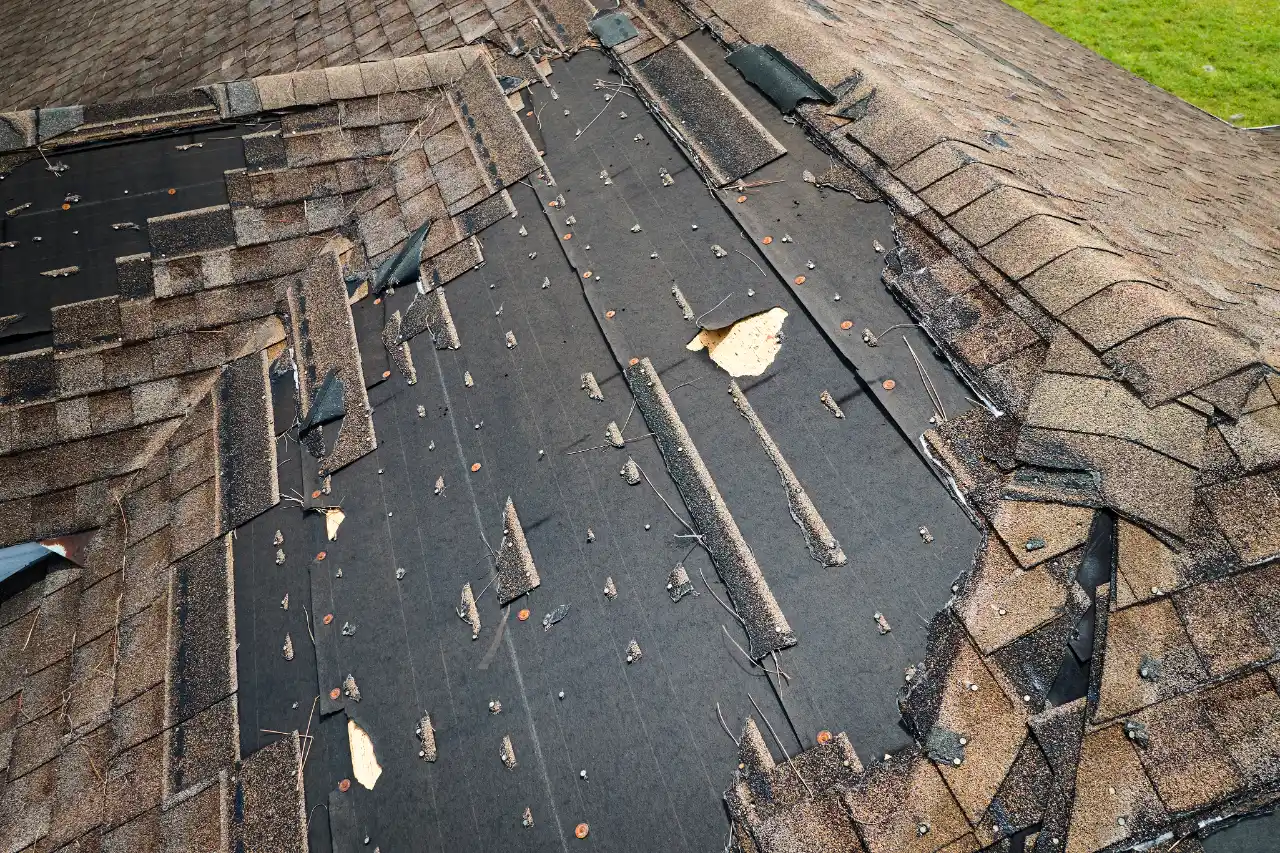
There's a real difference between one failure and a pattern. One vent boot cracked. One valley pushed open. One section of step flashing pulled loose. Those are repairs, and treating them as a replacement trigger is how homeowners get oversold.
A pattern looks different. Shingles lifting in several unrelated areas. Multiple leaks in different parts of the house. Flashing failing at the chimney and at the walls and at the skylight, all at once.
When the same failure keeps appearing in different places, the material has reached the end of its working life. Fixing one spot at that point just moves the next leak somewhere else. That's how people end up paying for three repairs in two years.
What the Decking Tells You
This is the check that settles most arguments. Homeowners never think about it, because they can't see it.
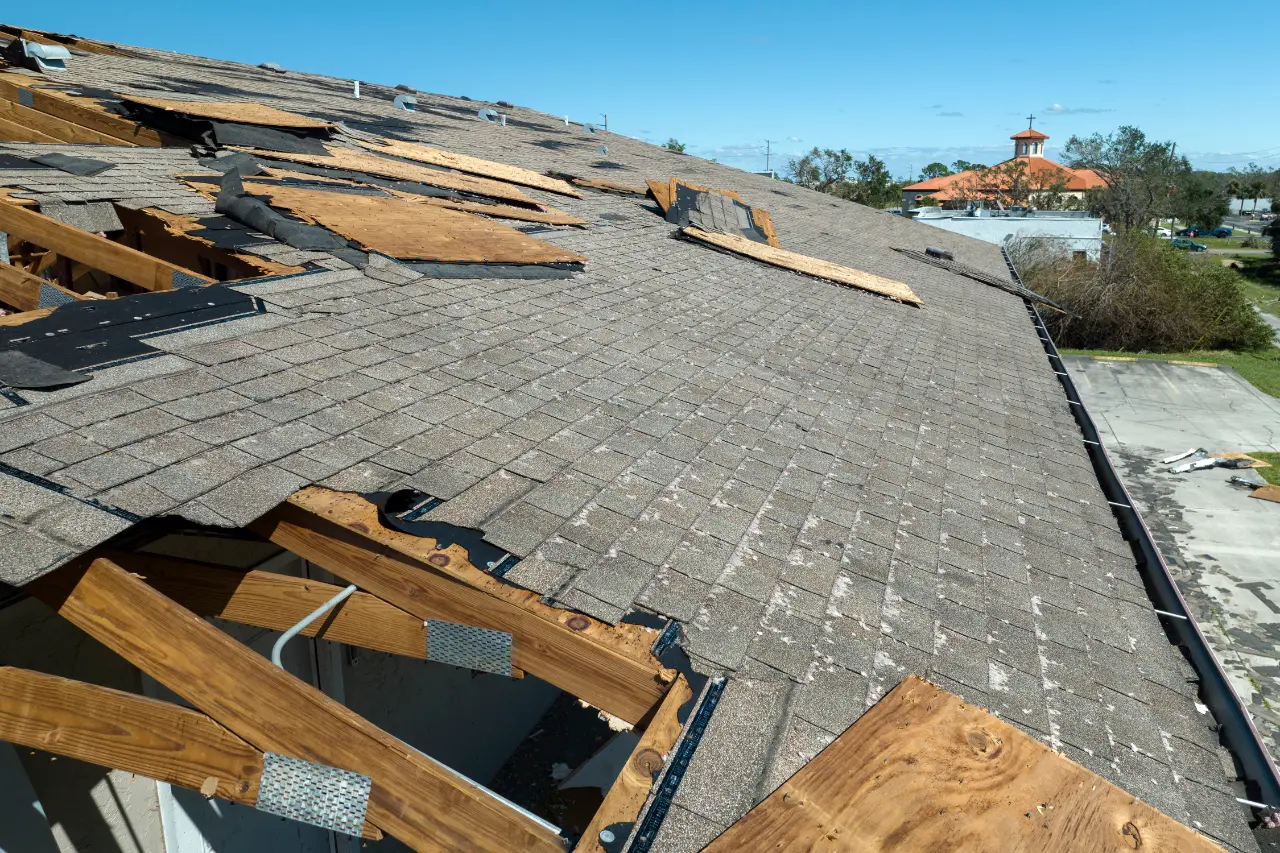
The decking is the plywood or plank layer under the shingles. If it's dry and solid, a repair is on the table regardless of what the surface looks like. If it's soft, delaminated, or stained over a wide area, the damage has already gone structural. No amount of surface work fixes that.
You can check for this from inside the attic. Press on the underside of the decking near any stain. Firm is good. Spongy means water has been sitting in it, and that section is coming out no matter which route you take.
The Math That Usually Settles It
Once you have those three answers, the decision tends to make itself.
Add up what you've already spent on this roof in the last few years. Add what the current repair would cost. Compare that against a replacement, and then divide each by the years it realistically buys you. Repairs that keep stacking almost always lose that comparison, even though each one felt cheap at the time.
The other half of the math is disruption. Repairs are quick. A replacement is a couple of days of noise, a dumpster in the driveway, and a crew on your house. That's worth something, and it's a fair reason to repair a roof that's genuinely repairable.