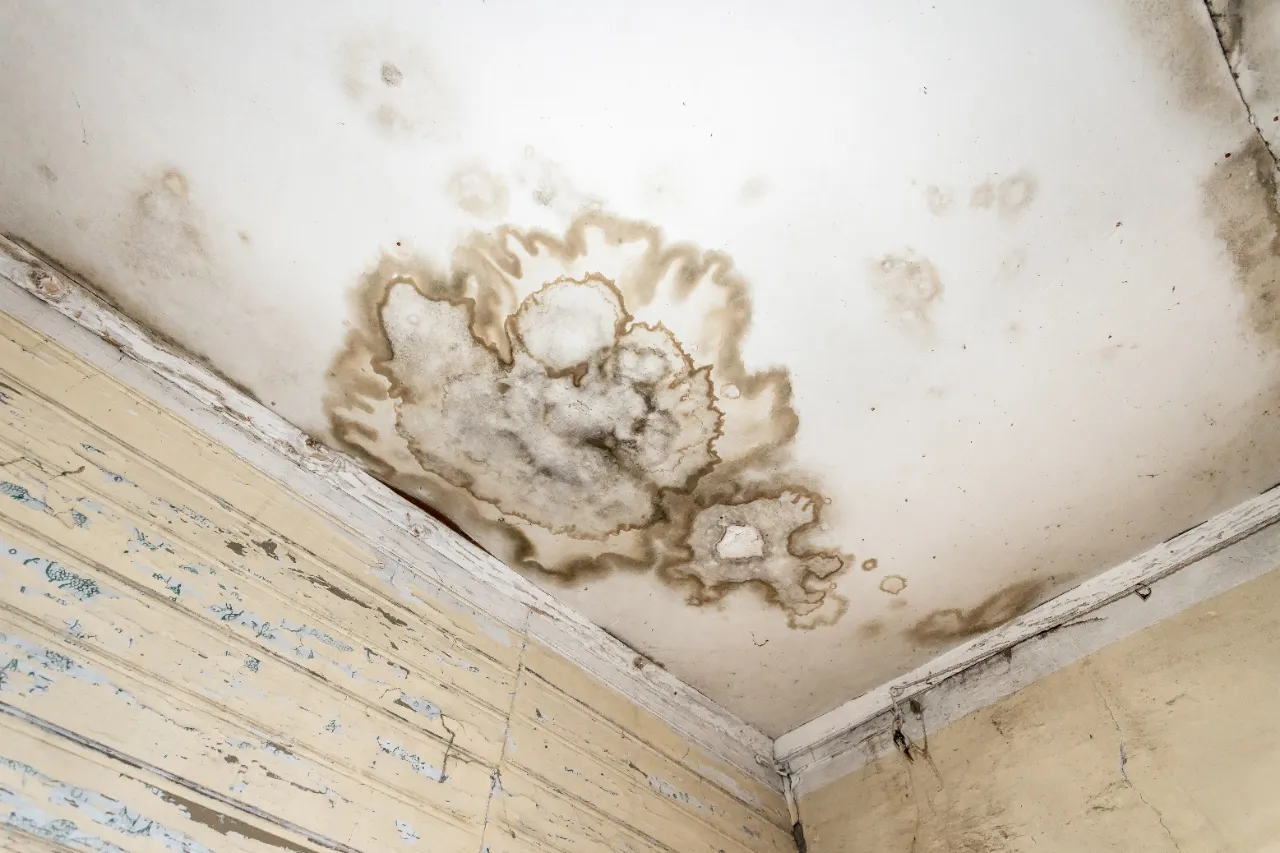
A stain on the ceiling almost never sits directly under the hole. Water gets in somewhere, runs along a rafter, and drops through the drywall a few feet away. That's why homeowners tear open the wrong section of ceiling and still can't find anything.
Most roof leaks in New York don't start with the shingles at all. They start where the roof meets something that isn't roof. A chimney, a valley, a vent pipe, a skylight. Those transitions depend on flashing, and flashing fails long before asphalt does.
The good news is that a leak isn't automatically a new roof. Plenty of them are a straightforward flashing repair. The bad news is that waiting turns a small fix into a structural one. Water soaks the decking and the insulation well before anything shows up on your ceiling.
This guide covers where roof leaks actually come from and how to narrow down the source yourself. It also covers what drives the cost of roof leak repair, and when replacement is the smarter call.
Where Roof Leaks Actually Start
Shingles get blamed for almost every leak, and they're usually innocent. Asphalt sheds water fine on an open slope. The trouble shows up at the transitions.
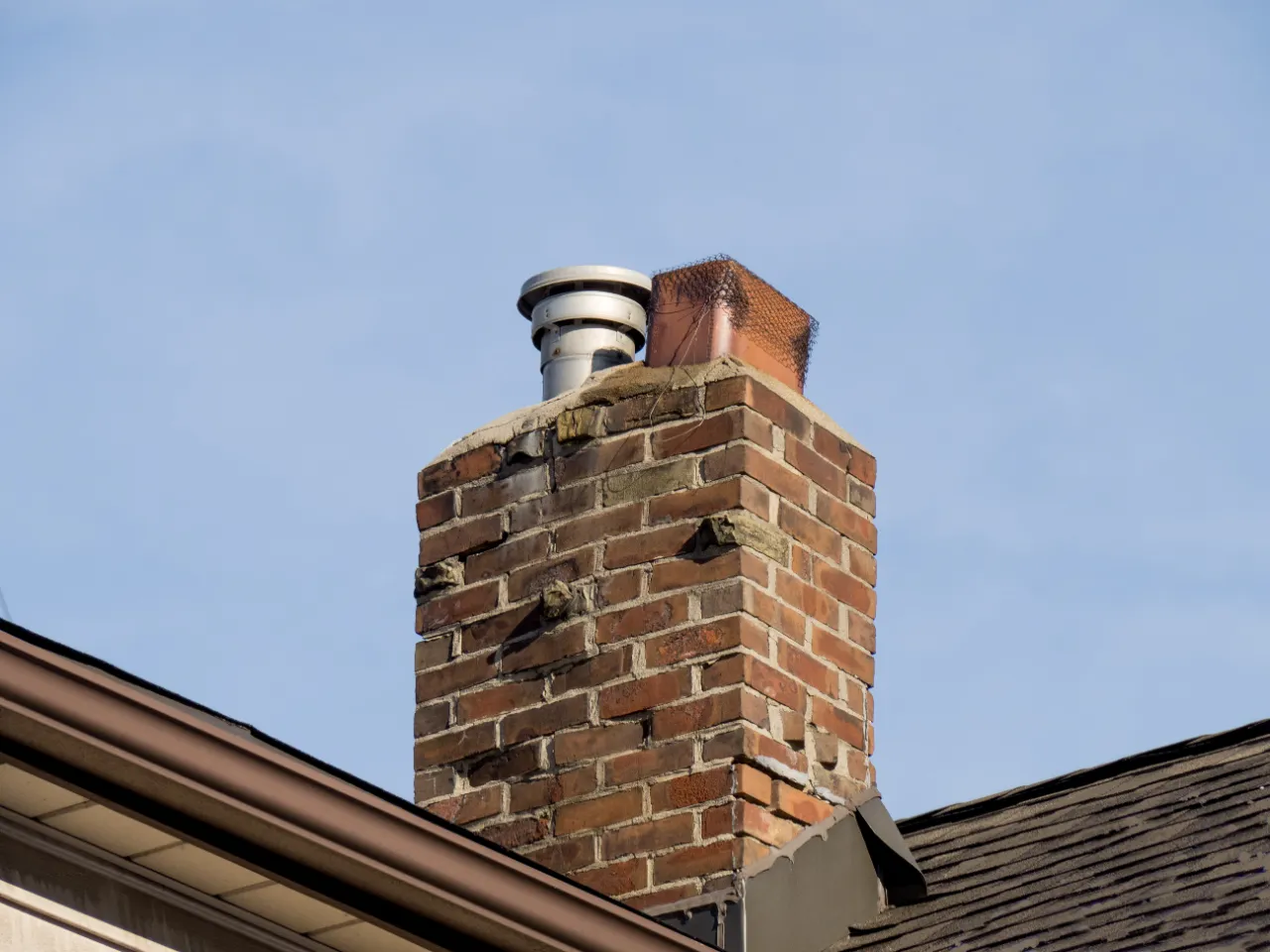
Chimneys are the worst offender. The flashing that ties masonry to the roof deck is thin metal, and it moves with temperature. The sealant around it dries out and cracks. Valleys come second, because two slopes dump water into one channel and anything loose gets forced underneath.
After that it's vent pipes with split rubber boots and skylights with failed seals. Then step flashing, where a roof runs into a wall. In winter you can add ice dams, which push water backward under the shingles no matter how new they are.
How to Track Down the Source Yourself
Start in the attic, not on the roof. Bring a flashlight, look at the underside of the decking above the stain, then work uphill from there. Water runs down, so the entry point is almost always higher than the damage.
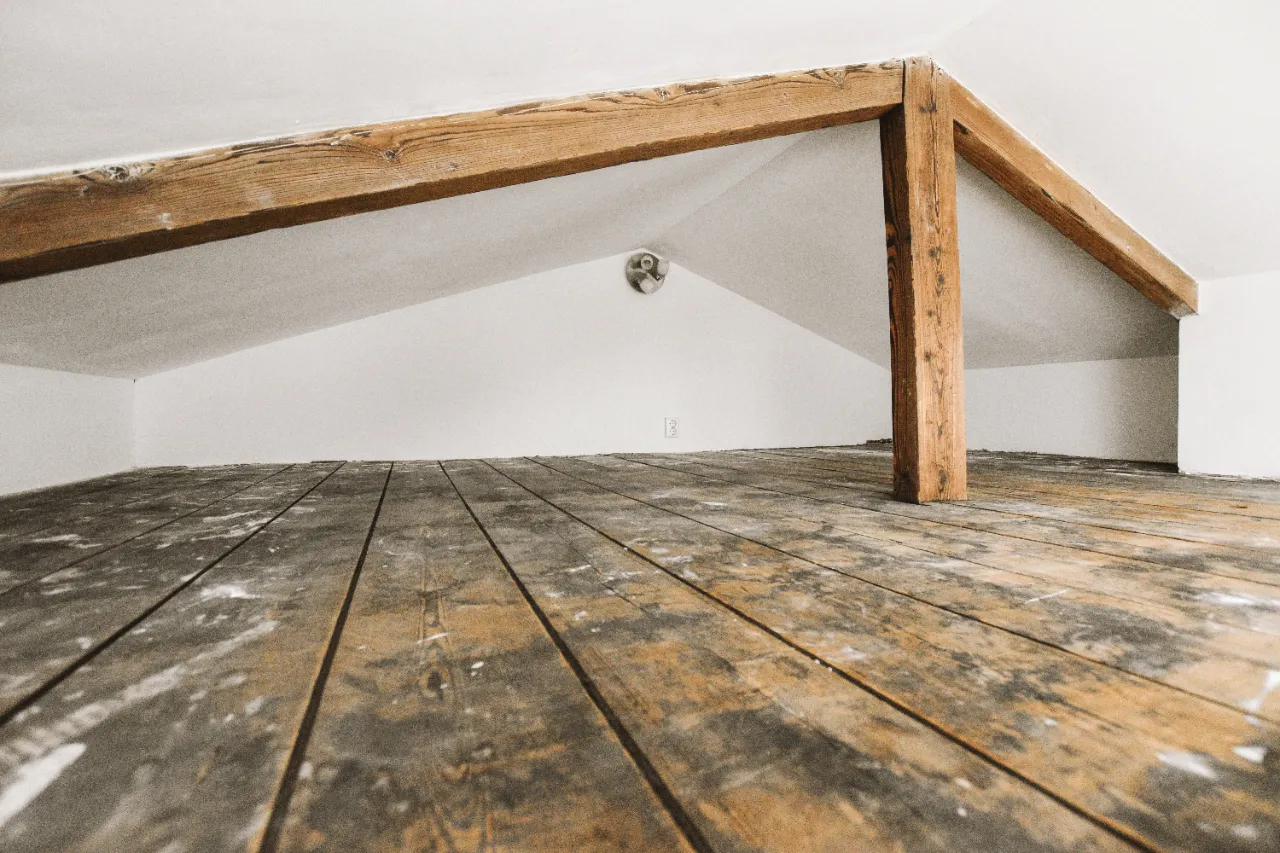
You're looking for dark staining on the wood, rusted nail shanks, matted insulation, or daylight where there shouldn't be any. Rusty nails are a useful clue, because they mean moisture has been sitting there for a while.
If you can safely check during a storm, do it. A leak that only appears in driving rain from one direction usually points to flashing or siding. Not the roof field itself. Note the date and the wind direction. That detail narrows the search fast.
What Drives the Cost of Roof Leak Repair
We don't publish price ranges on a blog, and there's a reason. The same ceiling stain can be a small flashing repair or a rebuilt section of roof. A number thrown out before anyone looks only sets up an uncomfortable conversation later.
What actually moves the price is simple enough. How steep the roof is, since a steep pitch means staging and fall protection. How much decking got wet, because soaked plywood has to come out. Whether flashing can be resealed or has to be replaced. Whether a chimney is involved, since masonry is its own trade.
Then there's the big one: how long it's been leaking. A leak caught in a week is a repair. A leak caught in a season is a repair plus decking plus insulation.
When a Repair Stops Making Sense
A repair is the right answer more often than roofers admit. One bad valley on a roof that's eight years old is a repair, and nothing more.
Replacement starts making sense when several things stack up at once. The roof is near the end of its service life. There's more than one leak, in more than one place. The decking gives when you press on it, which means the damage is already structural. Or the roof has been patched three times and keeps finding new places to fail.
There's also the layering problem. If two layers of shingles are already up there, repairs turn into guesswork. Nobody can see what's happening under the top layer. A good roof repair and replacement estimate tells you which of these applies to your roof.